
I recently took a campus tour of McGill University in downtown Montreal, and it's a school I think more of my students should be looking at — especially those open to studying outside the U.S. Here's what stood out from the visit, and what U.S. applicants should know about how McGill's admissions process actually works.
A Downtown Campus With Green Space
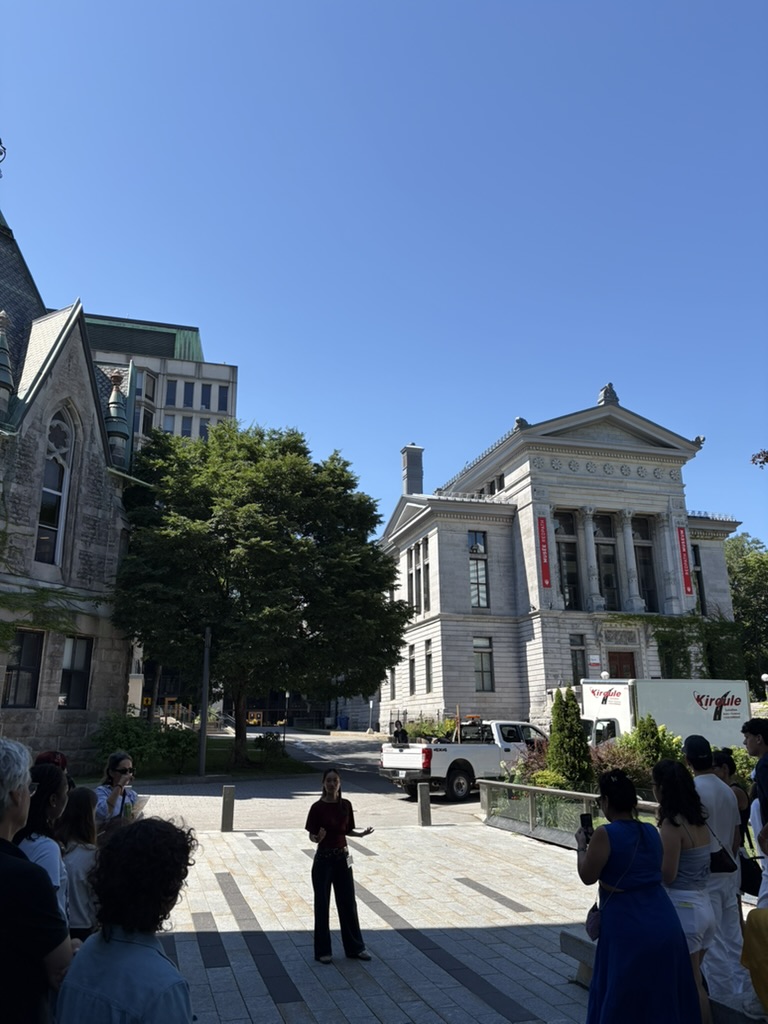
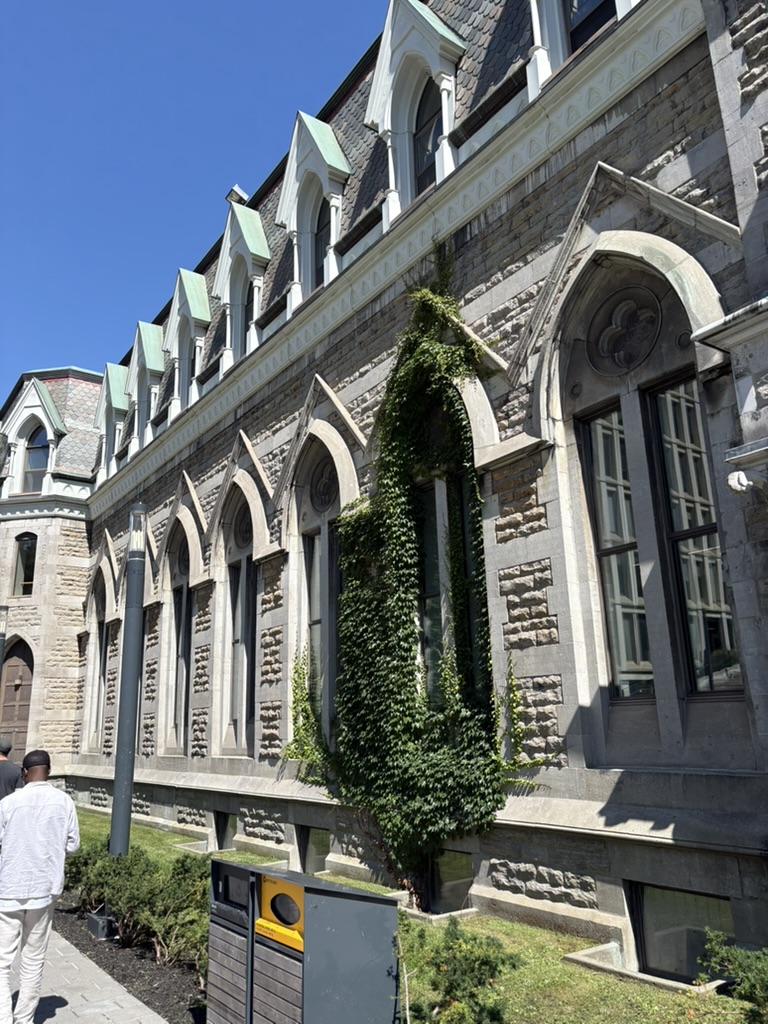
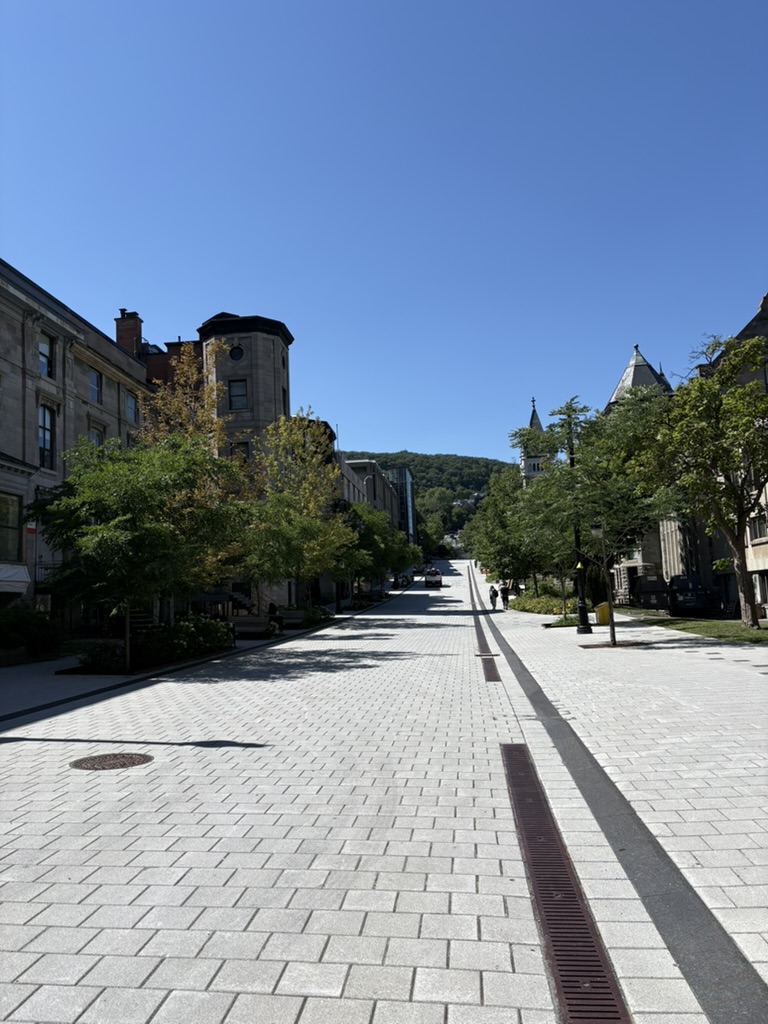
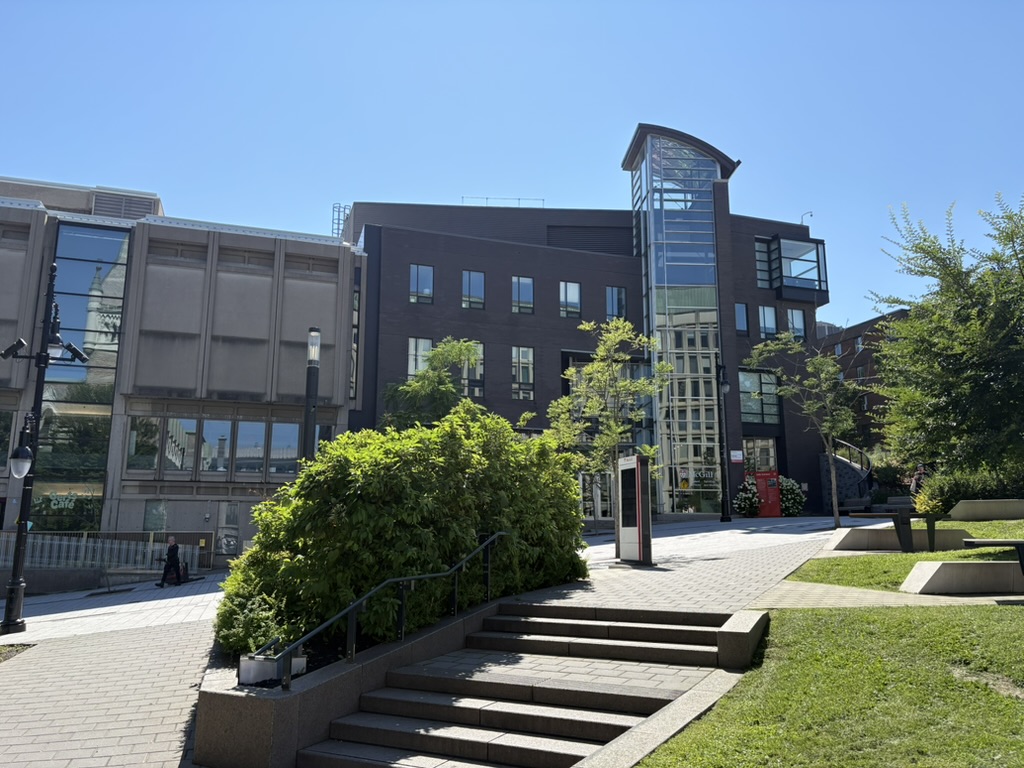
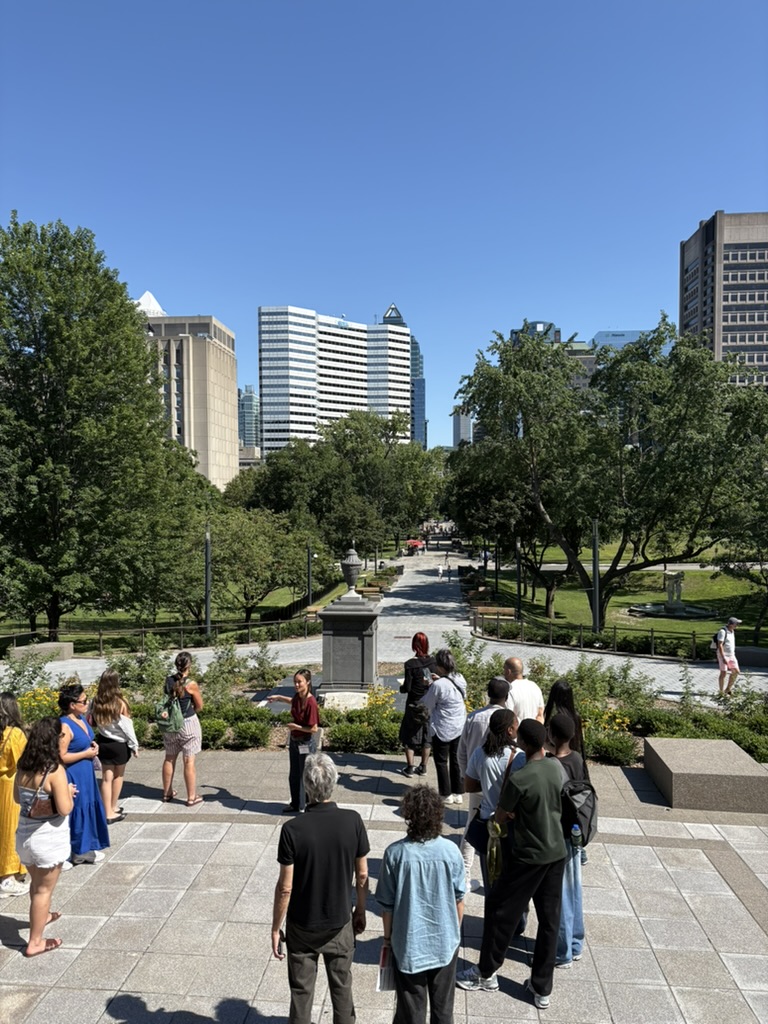
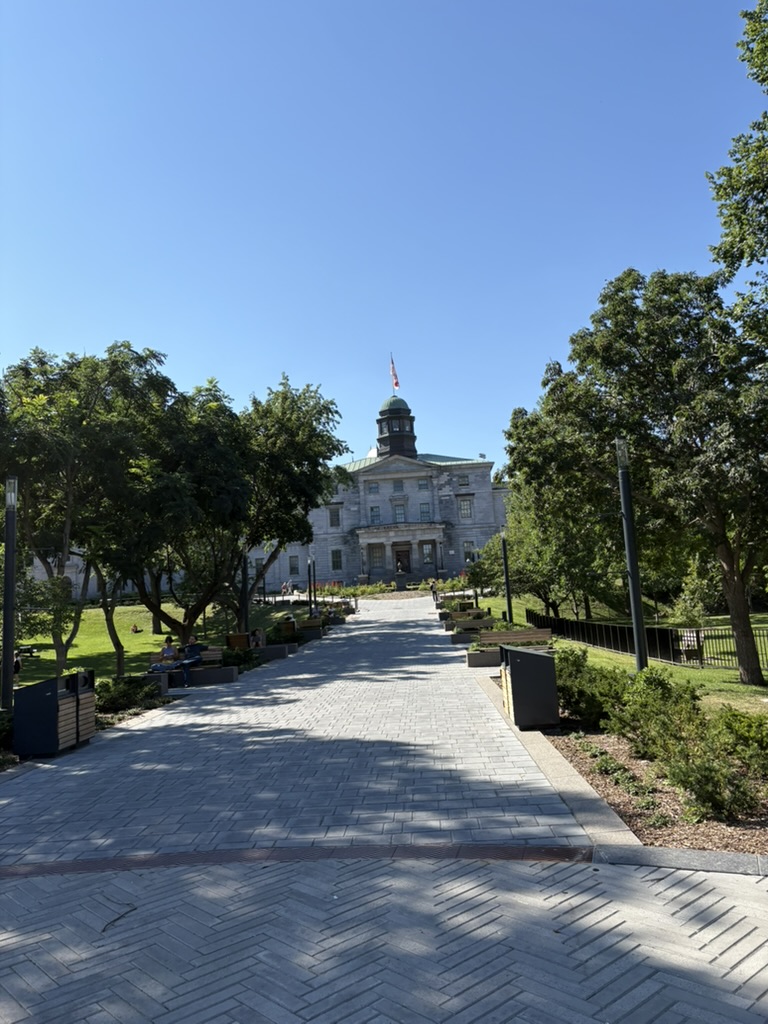
McGill sits right in the middle of downtown Montreal, a few blocks from the shops and restaurants of Sainte-Catherine Street, with the mountain of Mont Royal rising behind it. What surprised me most was how much green, walkable space the campus manages to fit into a downtown footprint: tree-lined paths, open lawns, and greystone buildings that make it feel more like a traditional quad than an urban campus squeezed between office towers.
The Arts Building, with its distinctive dome and clock tower, anchors the lower campus and is one of the most recognizable spots on a McGill tour. From there, the campus climbs gradually toward Mont Royal, with newer academic buildings, the library, and student residences mixed in among the older stone architecture.
Life on Campus
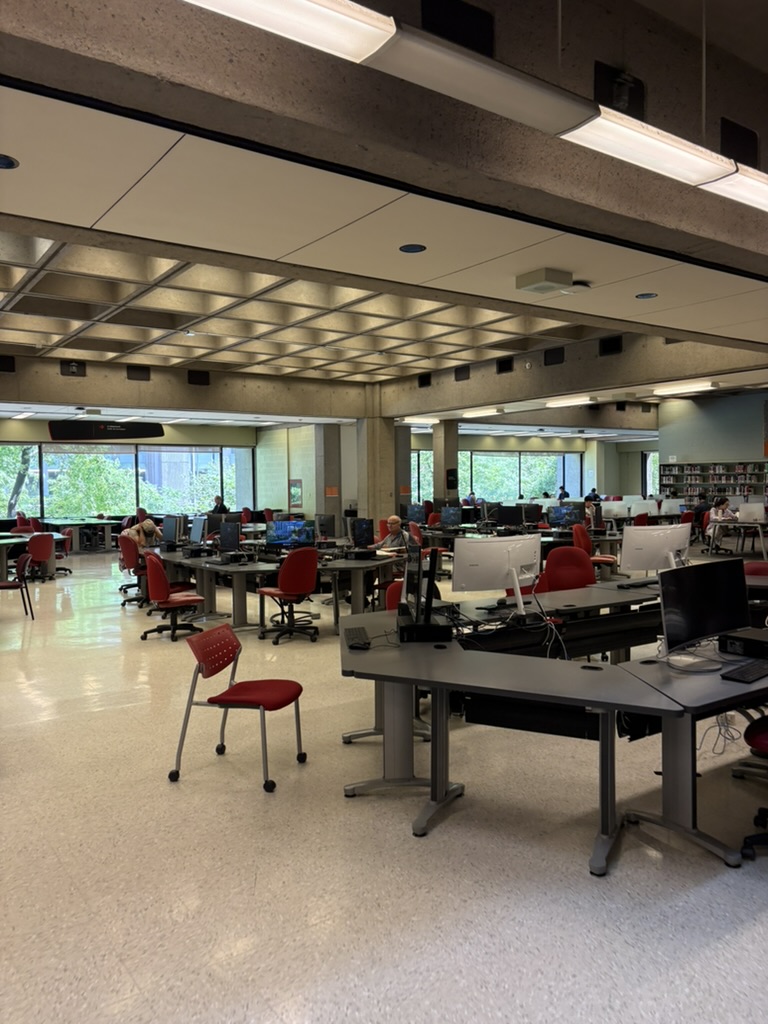
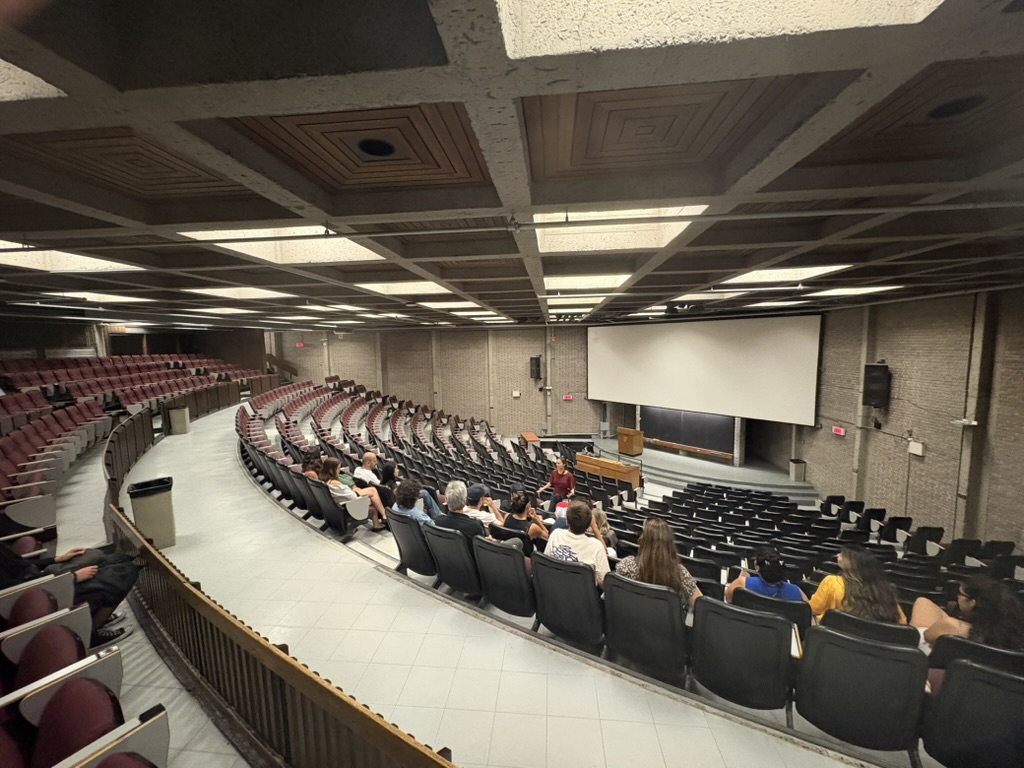
Even during a summer visit, the library was full of students at work, and our tour group passed a steady stream of people heading in and out of academic buildings. McGill has one of the largest international student populations of any Canadian university, and that showed in the mix of languages and accents around campus. For a Dallas family used to thinking about college as a domestic decision, it's a useful reminder that "going away to school" can mean a genuinely different country and culture, not just a different state.

One thing worth setting expectations on: McGill doesn't have the stadium-packing, football-Saturday sports culture you'd find at a lot of big U.S. public universities. McGill's varsity teams, the Redbirds and Martlets, compete in U Sports (Canada's university athletics league) rather than the NCAA, and it's a lower-key scene than what American students may be picturing. That said, students who want to compete or just stay active have real options — McGill fields varsity teams across a range of sports, and its intramural program is a big deal on campus, with hundreds of teams and thousands of students playing each semester.
What U.S. Applicants Should Know
McGill's admissions process is different enough from the typical U.S. process that it's worth explaining to families considering it:
The application deadline is earlier than most U.S. schools. For U.S. high school applicants applying for Fall 2026, the application deadline is January 15, with supporting documents due March 1. Applications open October 1, so there's a shorter runway than the typical November/January U.S. deadline spread.
Most applicants self-report their grades rather than submitting a formal transcript up front, using a web form through the McGill Applicant Portal during two designated self-reporting windows.
Standardized testing is optional for many programs. McGill has extended its ACT/SAT opt-out policy to Fall 2026 applicants in Arts, Science, Engineering, Management, Nursing, Education, Agricultural and Environmental Sciences, and the Bachelor of Arts & Science. Students who opt out are not disadvantaged in the review.
Most programs don't require an essay. Unlike the typical U.S. holistic review, McGill's admission decisions for most programs are based primarily on grades (and test scores, if submitted) rather than personal essays or letters of recommendation. A handful of programs, like Global Engineering and Population & Global Health, do require a personal statement, so it's worth checking the specific program's requirements.
Classes are conducted in English. Montreal is a majority French-speaking city, but McGill's language of instruction is English, and coursework, exams, and assignments are completed in English for the vast majority of programs. French proficiency isn't a general admission or degree requirement — the exceptions are a handful of programs with a clinical or practicum component, like Nursing, Dentistry, and certain Education tracks, where working knowledge of French is required because of placements in bilingual clinical or school settings.
For the full, program-by-program breakdown of prerequisites and requirements, McGill's own requirements page for U.S. applicants is the best source, since cutoffs and requirements can shift year to year.
Should Your Student Consider McGill?
McGill is a strong fit for students who want a large, research-focused university with real name recognition, in a genuinely international setting, without giving up an easier-to-navigate admissions process. It's not the right fit for every student — the size, the adjustment to a new country, and living in a majority French-speaking city (even with English-language coursework) are real factors to weigh — but for the right student, it's absolutely worth a look.
If you're planning your own visit, McGill offers campus tours you can book directly through their admissions site. I'd also encourage pairing a McGill visit with a broader look at whether a Canadian or international school fits your student's college list — it's a conversation worth having early.
More From the Visit

Curious whether a school like McGill belongs on your student's list?
Book a Free ConsultationOr reach out anytime at alex@amcollegeconsulting.com.